Manufacturing
Perfume Manufacturers in Ajman: How to Choose the Right Factory
By Black Oud Factory
Ajman has become one of the densest perfume manufacturing clusters in the UAE. Here is what separates a real factory from a re-packer, and the questions to ask before you place a first order.
Ajman sits about forty minutes north of Dubai and has quietly become one of the most concentrated perfume manufacturing areas in the United Arab Emirates. Lower industrial rents than Dubai, a deep local labour pool trained on oud and attar production, and easy road access to Jebel Ali and Sharjah airports make it a practical base for compounding, filling and packing at scale.
That density is an advantage and a risk. Alongside genuine factories there are trading offices that buy finished juice, decant it and re-label it. Both will quote you. Only one of them controls the variables that decide whether your second production run smells like your first.
In-house capability is the first filter
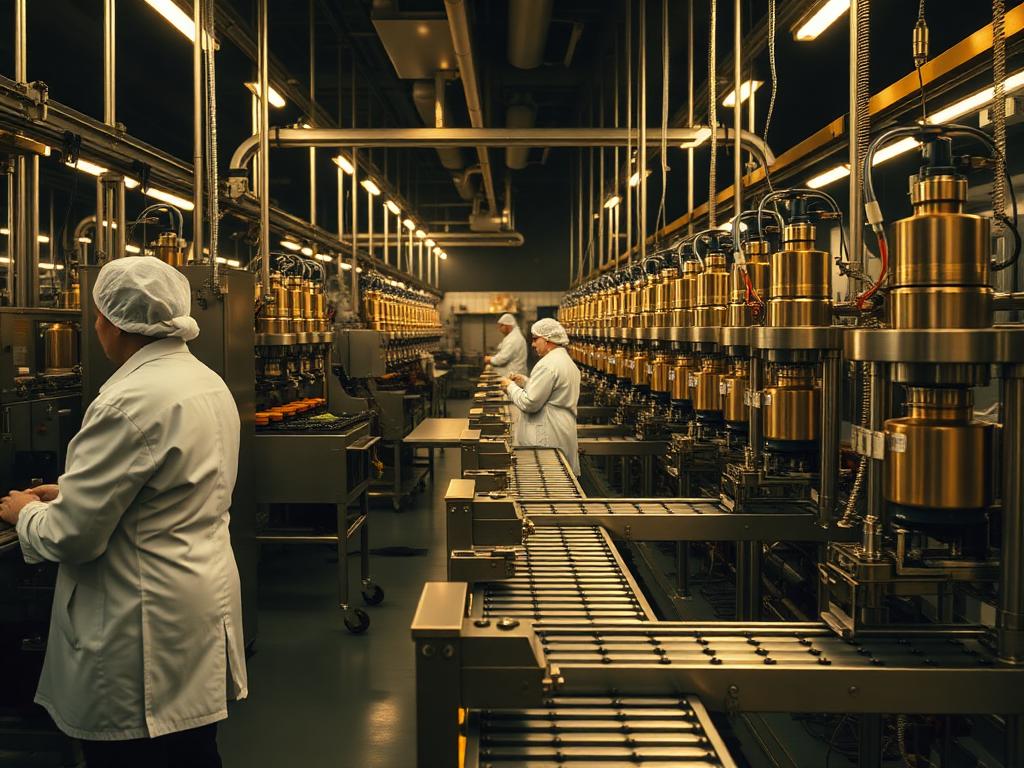
Ask which stages happen under the supplier's own roof. At Black Oud Factory the compounding lab, maceration tanks, filling and crimping lines, the decoration hall for screen printing, foiling, frosting and spray coating, the assembly benches and the export packing area are all in one Ajman building. That matters commercially: every stage kept in-house is one fewer supplier who can miss a date or change a specification without telling you.
- Fragrance development — are there perfumers on staff, or is the formula bought in?
- Filling and crimping — is the line owned, and what neck standards does it take?
- Decoration — is printing and foiling done in-house or sent out?
- Quality control — is a batch certificate of analysis issued as standard?
- Export — who prepares MSDS, COA and certificate of origin?
Minimum order quantity tells you who the factory is built for
MOQ is the fastest way to understand a factory's cost base. A plant tooled for multinational contracts will not take a 500-piece launch. A plant with no minimum at all is almost certainly re-packing someone else's bulk. Our own minimum is 100 units per product, which is deliberately set so a new brand can validate a scent in the market before committing capital to a container.
When you compare quotes, compare them line by line: fragrance concentrate, bottle, cap, decoration, box, assembly labour. A single blended per-unit price hides where the money goes and makes it impossible to negotiate a second run.
Sampling discipline separates the serious suppliers
No credible factory moves to mass production without a physical pre-production sample. You should receive the actual bottle, the actual cap, the actual print and the actual juice — not a lab vial and a rendering. Our sampling turnaround runs at roughly two weeks from an approved brief, and nothing enters the production schedule until a signed specification sheet locks scent, fill volume, finish and carton.
Documentation is where export orders fail
Perfume is a flammable-goods classification. If your supplier cannot produce a material safety data sheet, a batch certificate of analysis and a certificate of origin without hesitating, your shipment will stall at the first customs desk. Ask to see a sample document set from a recent export before you commit.
Visit before you commit
The single most useful hour you can spend is walking a factory floor. Our Ajman branch and factory outlet on Sheikh Ammar Al Nuaimi Street in Al Rawda 3 is open to buyers who want to see the compounding lab, watch the filling line run and handle bottle and packaging samples in person. If you are already in Dubai, the drive is under an hour.