Industry insights
The GCC is no longer only a major market for perfume — it is becoming a source of fragrance ideas the rest of the world is buying. Here is what is changing, and what it means for brands that want to manufacture.
For years the Gulf was seen mainly as a place where perfume is bought in large quantities. That picture is out of date. Today the region shapes fragrance itself: modern oud compositions, concentrated perfume oils, bakhoor, niche collections and private-label brands that start in the UAE or Saudi Arabia and sell far beyond it.
Preferences are moving quickly. Social media and e-commerce put new launches in front of buyers overnight. Niche culture, personalisation, unisex scents, layering and premium gifting are changing what people expect from a perfume — while oud and Arabian fragrance heritage remain at the centre.
Black Oud Factory works inside this market every day. As a UAE-based perfume manufacturing and private-label specialist, we help brands move from a fragrance idea to a finished product ready for shelves and online stores.
Perfume is part of daily life, hospitality and celebration across the UAE, Saudi Arabia, Kuwait, Qatar, Oman and Bahrain.
Traditions such as oud, musk, amber, bakhoor, attar and concentrated perfume oils are not museum pieces here — they are worn and burned at home, at work and at weddings. That depth of use is why the Gulf perfume market has such high per-person spending and such discerning buyers.
What has changed is direction of travel. GCC fragrance expertise is now reaching international consumers through online stores, travel retail and brands that were built in the region. For manufacturers in the UAE, the Middle East fragrance industry is both a home market and an export opportunity.
Published research points the same way. Research and Markets (2026) estimates GCC fragrance sales at about USD 4.38 billion in 2026, with growth projected through 2031. Euromonitor International (2025) reports that Arabian fragrances reached about USD 4.9 billion globally in 2025.
Oud has moved beyond traditional Arabian perfumery into international fragrance creation. Oud and rose, oud and vanilla, oud and amber — these pairings now sit comfortably in Western-style structures. Not every customer wants a heavy, smoky oud, though. Many creators are working with softer, cleaner interpretations that use agarwood as a warm base rather than the headline. Our guide to oud perfume and oud oil explains the differences.
Independent brands, small-batch releases, limited editions and story-driven signature scents are attracting buyers who want something less common. That is good news for private-label and contract perfume manufacturing: a niche brand needs a flexible partner more than it needs its own factory.
More brands now describe a perfume by its scent profile rather than by gender. Oud, amber, musk and woods travel easily across that line, which makes unisex oud perfume and private label unisex perfume a natural fit for the Gulf market and beyond.
Customers increasingly keep different scents for the office, the day and the evening — and layer perfume oils, musk, hair mists and body mists, often finishing with bakhoor. For a brand, this is a reason to build a complete collection and gift sets rather than a single bottle.
Buyers judge the whole product: fragrance, bottle, cap, box, printing, finishing and brand story. Packaging is now part of positioning, not an afterthought. See our perfume bottle range and perfume box packaging.
TikTok, Instagram, YouTube, creators and online communities now drive much of perfume discovery. Direct-to-consumer stores, social commerce and international shipping let brands launch faster — as long as their manufacturing partner can keep up from product development to finished stock.
Changing demand does not stop at the shop counter. It changes what brands need from a factory.
Shorter timelines from brief to approved sample, so launches can follow trends.
Smaller launch runs that scale to larger production on the same specification.
Fragrance development, oud and fragrance oil expertise, and a choice of concentrations.
Bottles, caps, boxes and decoration that match the brand's positioning.
Documented checks on fill, closure and finish before products leave the floor.
Products and paperwork prepared for buyers inside and outside the GCC.
In short, today's perfume manufacturer needs to be more than a filling facility. A modern fragrance manufacturing partner understands the whole product journey.
From fragrance creation to finished perfume, Black Oud Factory brings multiple stages of the perfume manufacturing process together under one roof.
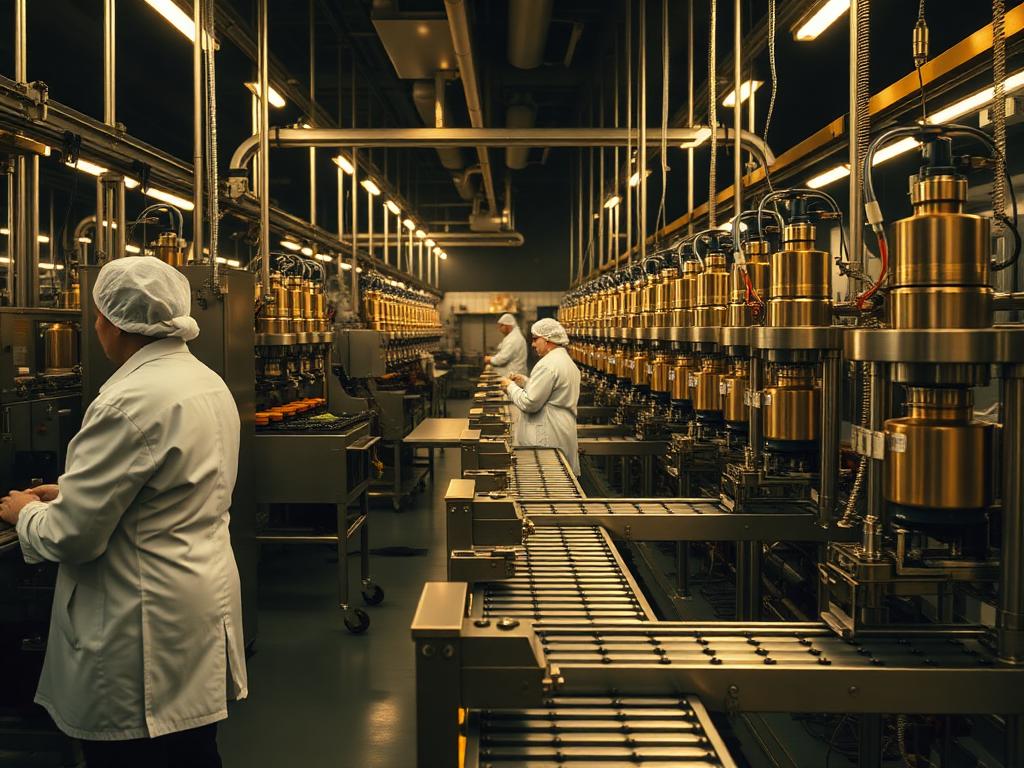
Instead of coordinating a perfumer, a bottle supplier, a printer, a box maker and a filler, you work with one manufacturing partner. Learn more about our perfume manufacturing process and perfume filling and packaging services.
Private label and OEM perfume manufacturing suits new perfume brands, established brands adding a line, retailers and distributors, entrepreneurs, corporate gifting companies, hotels and hospitality businesses, creators and influencers, and international fragrance businesses looking for a GCC production partner.
As a private label perfume manufacturer in the UAE, Black Oud Factory handles custom formulation, perfume OEM and contract manufacturing, oud products and bakhoor manufacturing. Browse our fragrance oil library, or read the full private label perfume manufacturing guide.
A home market where perfume, oud and bakhoor are part of everyday life.
Close to customers across the Gulf, with shared tastes and trade links.
Air and sea links through the UAE support regional and international shipping.
An international trading hub familiar to buyers from every continent.
Suppliers of oils, glass, components and packaging within reach.
A market where international buyers come to discover new fragrance brands.
Founded in 2015, Black Oud Factory helps businesses turn fragrance ideas into commercial products. Our Bakhoor Factory & Head Office is in Al Jurf Industrial Area, Ajman, and our Perfume Factory is in Sajja Industrial Area, Sharjah.
Our experience in Arabian perfumery gives us a practical understanding of the GCC fragrance market, while our manufacturing approach is designed for brands looking to compete in today's increasingly international fragrance industry. We work with emerging brands and established businesses alike.

Oud, amber, musk, rose, saffron and frankincense — long the backbone of Arabian and oriental fragrance profiles — are now being combined with modern Western structures: fresh top notes, clean musks and transparent florals. The result is a hybrid style that feels familiar to Gulf customers and new to everyone else.
Bakhoor and attar are following the same path, presented in contemporary packaging for customers who have never burned incense at home. For a brand, the opportunity is to keep the character of Arabian perfumery while making it easy to wear and easy to understand.
Without guessing at numbers, several themes look set to continue: the global expansion of Arabian fragrance, e-commerce and social commerce, niche and premium perfumes, unisex and personalised scents, fragrance layering, modern oud, premium and more sustainable packaging and sourcing, and a growing number of sophisticated GCC fragrance brands competing internationally.
The strongest themes are modern oud, niche and artisanal fragrances, unisex scents, fragrance layering, premium gifting and packaging, and online discovery through social media and e-commerce. Consumers still value traditional Arabian profiles such as oud, musk, amber and bakhoor, but increasingly want them in cleaner, more wearable compositions and in complete collections rather than a single bottle.
Oud, the resin-rich heartwood of the agarwood tree, has been burned, distilled and worn across the Gulf for generations. It is tied to hospitality, celebration and personal identity, which is why it appears in perfumes, oils, bakhoor and attars. Today it also works as a base note in Western-style compositions, often paired with rose, vanilla, amber or saffron.
Published research points to continued growth. A Research and Markets report (2026) estimates GCC fragrance sales at about USD 4.38 billion in 2026, with growth projected to 2031. Euromonitor International (2025) reports Arabian fragrances reached about USD 4.9 billion globally in 2025. Forecasts vary by source and methodology, so treat them as indicators rather than guarantees.
Rich, long-lasting profiles built on oud, amber, musk and saffron stand out against lighter mainstream scents. Social media has introduced these fragrances to new audiences, e-commerce has made them easy to buy across borders, and GCC brands have become more sophisticated in their bottles, packaging and storytelling, helping Arabian perfumery move from a regional specialty to a recognised global category.
Private label manufacturing means a factory produces perfume that is sold under your brand. You choose or develop the fragrance, bottle, cap, label and box, and the manufacturer handles compounding, filling, assembly and quality control. It lets new and existing brands launch products without building their own production facility.
The terms overlap. Private label often means branding a fragrance or product the manufacturer already makes, with your packaging. OEM usually means producing to your own specification — your formula, bottle and packaging requirements. ODM sits in between, where the manufacturer designs the product to your brief. Many projects combine elements of all three.
Yes. A fragrance development brief — target market, mood, reference scents, price point and concentration — is turned into several sample directions. These are refined through feedback rounds until one is approved, then locked in a specification before production. Black Oud Factory offers custom fragrance development as part of its manufacturing service.
Black Oud Factory supplies and customises bottles, caps, sprayers and perfume boxes, including decoration such as screen printing, foiling, spray colouring and frosting. This means the fragrance and its packaging can be planned together with one partner instead of coordinating separate suppliers.
Yes. Projects can start with smaller launch quantities and scale to larger production runs on the same specification. Exact minimum quantities depend on the fragrance, bottle and packaging chosen, so the best way to confirm is to send your brief for a costed proposal.
Yes. The UAE is a well-connected trading hub, and manufacturers based here regularly prepare products and export documentation for buyers outside the GCC. International brands can work with a UAE manufacturer to access Arabian fragrance expertise while shipping finished goods to their own markets.
One partner for your complete perfume manufacturing journey
Whether you are launching your first perfume brand, expanding an existing collection or looking for a reliable manufacturing partner, Black Oud Factory can support your project from fragrance development and product concept through filling, packaging and finished production.