Manufacturing
What Is the Shelf Life of Perfume? A Guide for Perfume Brands
By Black Oud Factory
How long perfume, perfume oil, body mist and bakhoor really last, what makes them age, and how brands can protect shelf life through formulation, packaging, batch coding and storage.
A well-made alcohol-based perfume, kept sealed, cool and away from light, typically stays true to its original scent for around three to five years, and often longer. Perfume oils, body mists and bakhoor each age differently, so the realistic shelf life of a product depends on its formula, its packaging and, above all, how it is stored between the factory and the customer.
Quick Summary
- Most sealed eau de parfum and extrait sprays are commonly planned around a shelf life of three to five years when stored correctly.
- Heat, light and oxygen are the three main causes of perfume deterioration; fresh citrus and green top notes fade first.
- Oil-based perfumes and attars are alcohol-free, so their stability depends heavily on the carrier and the fragrance materials used.
- Shelf life is a joint result of formulation, stability testing, packaging choice and storage, not a fixed number printed by habit.
- Batch codes, production dates and retained reference samples let a brand trace any complaint back to a specific batch.
- Label rules differ by market, so confirm date and batch coding requirements with your importer or regulator before printing boxes.
Why Does Perfume Change Over Time?
Perfume is a blend of dozens or hundreds of aromatic materials dissolved in alcohol or oil. Some of those materials are chemically delicate. Over time they react with oxygen, break down under light, or slowly react with each other. The result is a gradual shift in the scent rather than a sudden failure: the opening smells flatter or slightly sharp, the colour deepens, and in poorly stored stock the fragrance can turn sour or metallic.
Heat
Heat speeds up almost every chemical reaction in a fragrance. A carton left in a hot vehicle, a container sitting in the sun at a port, or a shop shelf above a lighting unit can age a perfume far faster than years of storage in a cool warehouse. In the Gulf climate, controlling heat during transport and storage is often the single most important factor in protecting your stock.
Light
Ultraviolet light breaks down many fragrance materials and dyes. Clear glass bottles displayed in direct sunlight or under strong shop lighting are the most exposed. Coloured or coated glass, opaque boxes and sensible display placement all reduce the risk.
Oxygen and headspace
Every time air reaches the liquid, oxidation continues. A sealed crimped spray bottle exposes the perfume to very little air, which is one reason sprays tend to age slowly. Half-empty bulk containers, loosely closed screw caps and open dipper bottles let more oxygen in, so the same fragrance ages faster.
The formula itself
Citrus oils, some green notes and certain natural extracts are the most fragile materials, while woods, musks, ambers and resins are generally more stable. Some ingredients, such as vanillin, are known to darken a perfume over time even when the scent remains acceptable. A perfumer who knows your target market and storage conditions can balance the formula to age more gracefully.
How Long Do Different Fragrance Products Last?
These are general planning ranges used across the industry, not guarantees. Your actual shelf life should be confirmed by stability testing on your final formula and packaging.
- Eau de parfum and extrait sprays: commonly planned at three to five years sealed; alcohol and a crimped sprayer give good protection.
- Eau de toilette and body mists: lighter, fresher formulas with more volatile top notes, so freshness can fade sooner, especially in clear bottles.
- Perfume oils and attars: no alcohol, so stability depends on the carrier and materials; deep oud, amber and musk oils often age well, while citrus-led oils fade faster.
- Bulk fragrance oil concentrate: keeps longest in full, tightly sealed, opaque containers stored cool; partly used drums age faster because of the extra air.
- Bakhoor and incense blends: can dry out and lose intensity if packaging is not airtight, so sealed jars and lined boxes matter.
Does Perfume Have an Expiry Date?
Many perfumes do not show a single expiry date, but that does not mean shelf life can be ignored. Different markets treat cosmetic labelling differently. In the European Union, for example, cosmetics with a minimum durability of 30 months or less must show a date of minimum durability, while longer-lasting products may use the period-after-opening symbol where relevant. Many GCC markets and retailers expect production and expiry dates, or a batch number linked to them, on the pack. Because requirements vary and change, confirm the rules for each destination with your importer, distributor or the relevant authority before you finalise artwork.
Batch codes and traceability
Whatever the label shows, every production run should carry a batch code that links to the fill date, the fragrance batch and the packaging components used. A retained reference sample from each batch lets you compare a returned bottle with the original if a customer ever reports a change in scent or colour.
How Brands Can Extend Shelf Life
Shelf life is mostly decided before the first bottle is filled. These are the levers a brand and its manufacturer control together.
- Formulation: brief your perfumer on the climate and the sales channel so fragile notes are balanced with stable base materials.
- Maceration and filtration: allow the concentrate and alcohol to settle and filter before filling so the juice is clear and stable.
- Stability testing: check samples kept at elevated temperature, under light and through hot-cold cycles before approving production.
- Packaging: choose crimped sprayers or well-sealed caps, and consider coated or coloured glass and a closed box for light-sensitive scents.
- Fill level: correctly filled bottles leave less headspace and less oxygen above the liquid.
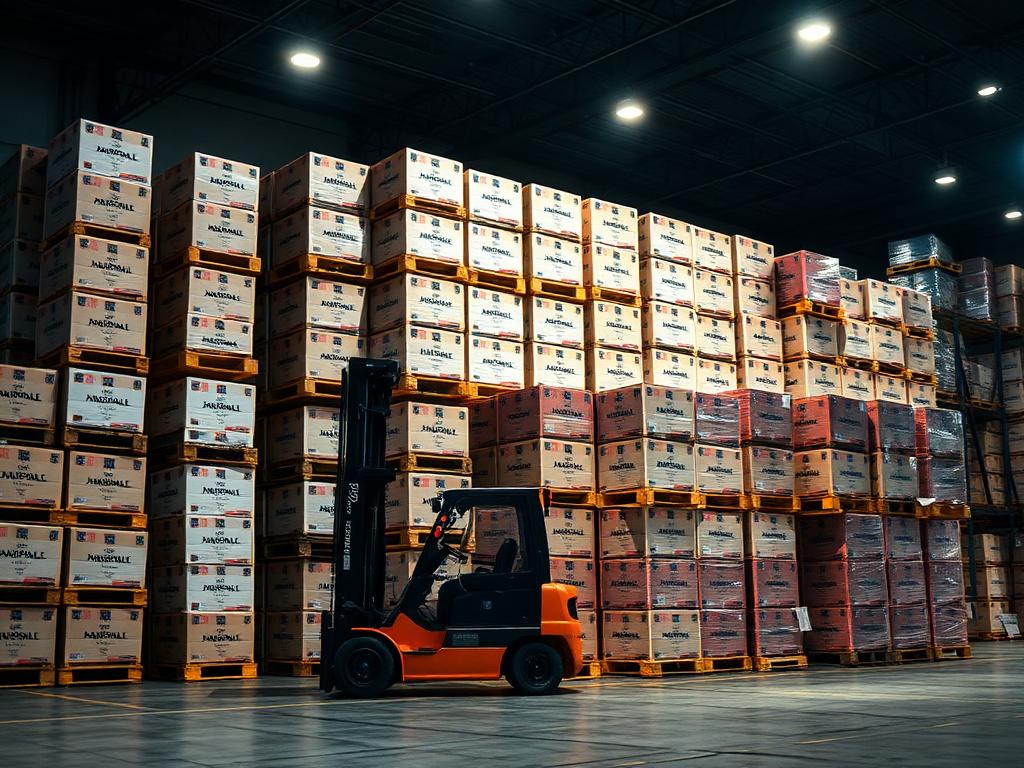
- Storage and logistics: keep finished goods and bulk oil cool, dark and sealed, and avoid long periods in hot containers or vehicles.
- Stock rotation: sell the oldest batches first and avoid ordering far more than you can sell in a reasonable period.
- Perfume maceration time explained
- Perfume quality control checks
- Perfume filling and packaging services
Practical Shelf-Life Checklist for Your Next Order
- Ask your manufacturer what shelf life they recommend for your formula and why.
- Request stability observations on the final juice in the final bottle, not only in a lab vial.
- Agree the batch code format and where it will appear on the bottle and the box.
- Confirm date labelling requirements for every market you will sell in.
- Keep a retained sample from every batch you receive.
- Plan order quantities against realistic sales so stock does not sit for years.
- For bulk oil, ask for batch labelling, MSDS and a certificate of analysis with each delivery.
How to Tell If Stock Has Aged
If you are checking older inventory, compare a stored bottle with a retained sample of the same batch. The common signs of ageing are a sharp, sour or vinegar-like opening, a noticeably darker colour, cloudiness or sediment, and a scent that has lost its fresh top notes. A slight colour change alone is not always a defect, because some materials darken naturally, but a clear change in smell usually means the stock should not be sold as new.
Frequently Asked Questions
Does unopened perfume expire?
Unopened perfume ages very slowly when it is sealed and kept cool and dark, which is why many sealed sprays are planned around three to five years or more. It does still change over time, especially if exposed to heat or light during storage or shipping.
Does perfume oil last longer than alcohol-based perfume?
Not automatically. Oil-based perfumes and attars avoid alcohol evaporation, but their stability depends on the carrier and the fragrance materials. Rich oud, amber and musk oils often age well, while citrus-heavy oils can fade faster.
How should perfume stock be stored in the UAE?
Store cartons in a cool, dark, air-conditioned space, off the floor and away from direct sun and heat sources. Avoid leaving stock in vehicles or containers in summer heat, and rotate stock so the oldest batches are sold first.
Should a perfume label show an expiry date?
It depends on the market. Some markets require a minimum durability date or production and expiry dates, others accept a batch code with a period-after-opening symbol. Confirm the requirements for each destination before printing your packaging.
How is bulk fragrance oil supplied to protect its shelf life?
Black Oud Factory supplies bulk fragrance oil by the kilo in sealed drums or jerrycans with batch labelling, MSDS and a certificate of analysis. Keep containers full, tightly closed and stored cool once received.
Conclusion
A perfume does not have one fixed shelf life. A sealed eau de parfum stored well is commonly planned around three to five years, but formula, packaging, labelling and storage decide how your product actually performs on the shelf. Treat shelf life as part of the product specification from the first brief, agree batch coding and testing with your manufacturer, and protect stock from heat and light all the way to the customer. Black Oud Factory produces finished perfumes made in UAE from 100 units per fragrance and per bottle size; share your brief and we will prepare a quote.
- Fragrance oils for brands
- Documents needed to export perfume from the UAE
- Private label perfume manufacturer in the UAE
Contact Black Oud Factory for a quote — Mobile / WhatsApp: +971 56 625 4829 (wa.me/971566254829) · Email: blackoudfactory@gmail.com · Request a quote: blackoudfactory.com/get-quote